The Allure of Risk and Reward
Casino gambling is often perceived as a thrilling adventure, where the primal instinct for risk and reward plays a significant role in attracting players. The possibility of winning large sums of money creates an adrenaline rush that many find irresistible. This excitement is compounded by the unpredictability of the games, which ensures that each moment is filled with suspense and anticipation. Players are drawn to the idea of hitting the jackpot, a euphoric experience that often overshadows the potential for loss. Some of the best non Gamstop casinos offer unique opportunities that enhance this thrilling experience.
This psychological thrill is not merely about financial gain; it taps into deeper human emotions. Some players seek validation through their gambling success, equating it with personal worth or achievement. This need for affirmation can be especially potent for individuals experiencing low self-esteem or social isolation. At the casino, they find a place where they feel valued, albeit temporarily, through the validation of their wins.
The Role of Environment in Gambling Behavior
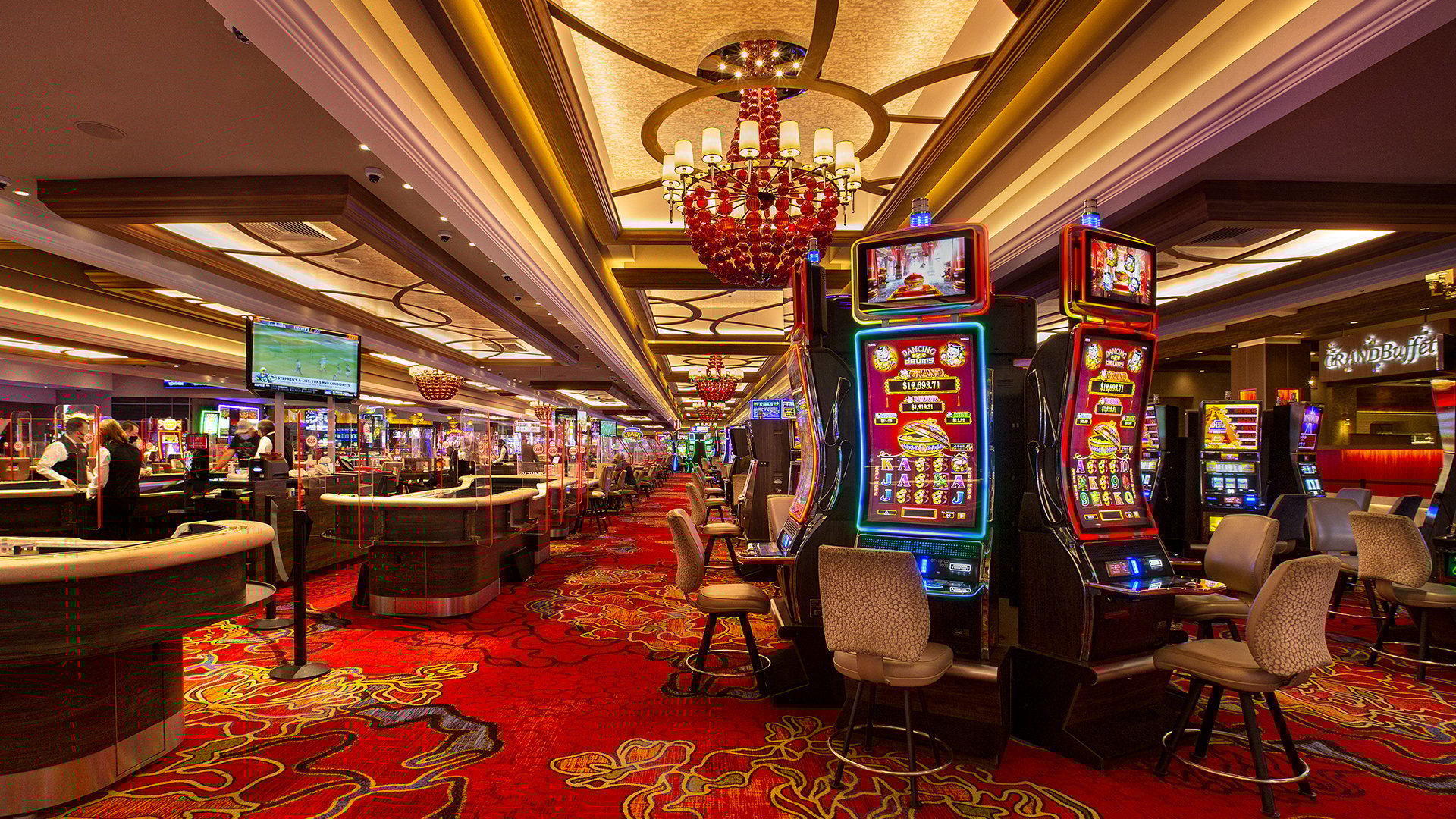
The design and ambiance of a casino are meticulously crafted to enhance the gambling experience. Bright lights, stimulating sounds, and the lively atmosphere are all designed to keep players engaged and enthralled. This sensory overload can diminish rational thought, allowing players to lose track of time and money. The more time spent in this captivating environment, the greater the likelihood of continued play, often leading to a cycle of gambling that can be hard to break.
This environment is not just entertaining; it is strategically constructed to promote gambling behavior. The placement of machines, the offering of complimentary drinks, and the absence of clocks or windows all serve to create a sense of timelessness and urgency. As players immerse themselves in this world, the boundaries of reality blur, making it easier to justify continued betting and larger stakes.
Addiction and Compulsive Behavior
The psychological factors driving casino gambling can sometimes lead to addictive behaviors. For some individuals, the thrill of the game becomes a compulsive urge that can spiral into addiction. This condition, known as pathological gambling, creates a cycle where individuals chase losses, hoping to regain their money, often leading to devastating financial and social consequences.
The interplay of excitement and despair is a critical factor in this context. As players experience wins and losses, their brain chemistry changes, reinforcing gambling behaviors. The neurotransmitter dopamine plays a crucial role, creating feelings of pleasure and reward. This chemical response to winning can make the experience of gambling almost addictive, where the prospect of a win keeps players returning despite previous losses.
The Social Aspects of Gambling
Gambling is often a social activity, enhancing its appeal for many players. Casinos are places where people gather to share experiences, celebrate wins, and commiserate over losses. This social component can serve as a significant motivator, drawing individuals into a communal space where they can connect with friends and meet new people. The camaraderie found in gambling can provide a sense of belonging that is attractive to many.
Moreover, peer influence can heavily impact gambling behavior. When friends or family members engage in gambling, individuals may feel encouraged to join in, reinforcing their participation. The shared experience of gambling can strengthen relationships but can also perpetuate risky behavior if not kept in check. As players bond over their gambling experiences, they may become more entrenched in the casino culture, making it difficult to step back when necessary.
Understanding the Need for Responsible Gambling
In light of the complex psychology behind casino gambling, it is essential to promote responsible gambling practices. Understanding the triggers that drive players can help them make more informed decisions and mitigate the risk of developing problematic gambling habits. Many casinos are now adopting initiatives to support responsible gambling, offering resources and tools to help players maintain control over their gambling activities.
By fostering awareness and education surrounding gambling, players can better navigate the often-blurry line between entertainment and addiction. Resources provided by casinos and related organizations can empower individuals with the knowledge necessary to enjoy gambling responsibly, ensuring that it remains a fun and exciting activity rather than a detrimental behavior.